
Reading
 The launch of a New Zealand project to produce more Pacific news and provide a “voice for the voiceless” on the islands has highlighted the neglect of the field by Australia and New Zealand. read now...
Western media have covered the recent anti-lockdown protests in China extensively, unanimous in their condemnation of the government’s extreme measures and their praise of the protesters’ “collective bravery” and “remarkable expression of defiance”; many Western leaders have reacted similarly. This is a jaw-dropping reversal. Those same outlets, along with the entire Western scientific and political …
Continue reading
Continue reading
As new authentication and surveillance technologies, such as vaccine passports and track-and-trace apps, were rolled out during the pandemic, civil rights organisations and activists raised the question of mission creep — that is, the likelihood of governments clinging on to these technologies and using them for unanticipated ends, heralding a new era of normalised state …
Continue reading
Continue reading
These Doctor Who moments of sad TARDIS partings between the Doctor & their companions show what was missing in the Thirteenth Doctor's run.
When I agreed to do the tour of Germany, I stipulated that I would need to break off to honour a speaking commitment in Maribor, Slovenia. This turned into a crazy epic. The straight line distance from Berlin to Maribor is 425 miles, not very different from London to Inverness. Unfortunately the entire Alps are […]
The post Trains (Mostly) Planes and Automobiles Part 2 appeared first on Craig Murray.
 Christine McVie, the multi-talented and much-beloved musician best known for her work with international supergroup Fleetwood Mac, has passed away following a brief illness. She was 79. read now...
My latest piece from Independent Australia, on my Substack
 The Whitlam Government’s economic performance was certainly not perfect, but it deserves a better reputation than it has. read now...


 At least seven top public officials have been allegedly illegally paid for holding two jobs at once. The Department of the Prime Minister and Cabinet boss has told those who oversaw their hiring to “seek legal advice”. read now...
A Novel Account of Inflation Forecasts
An objective look at US foreign policy Noam Chomsky Interviewed by John Rachel December 2, 2022. DissidentVoice.org. Noam Chomsky needs no introduction. He has devoted his whole life to calling out the abuses of power and the excesses of U.S. empire. At 94, he still is actively engaged in the national conversation. We are, of […]
‘Canada’s Indo-Pacific Strategy’: From UN Peacekeeper to U.S. Sentinel State In this long read, author John Price works with Noam Chomsky to respond to Canada’s Indo-Pacific Strategy. December 2, 2022. rabble.ca. In a recent article in the Ottawa Hill-Times, journalist David Crane asked an important question: “Is Canada trying to match or outdo American hostility to China?” Canada’s […]

I'm not gonna lie, I started to miss drawing these two. 💜
Click for the full resolution (and for looking at the brush work, I start to get a good economy of brush strokes). Have a good week-end!
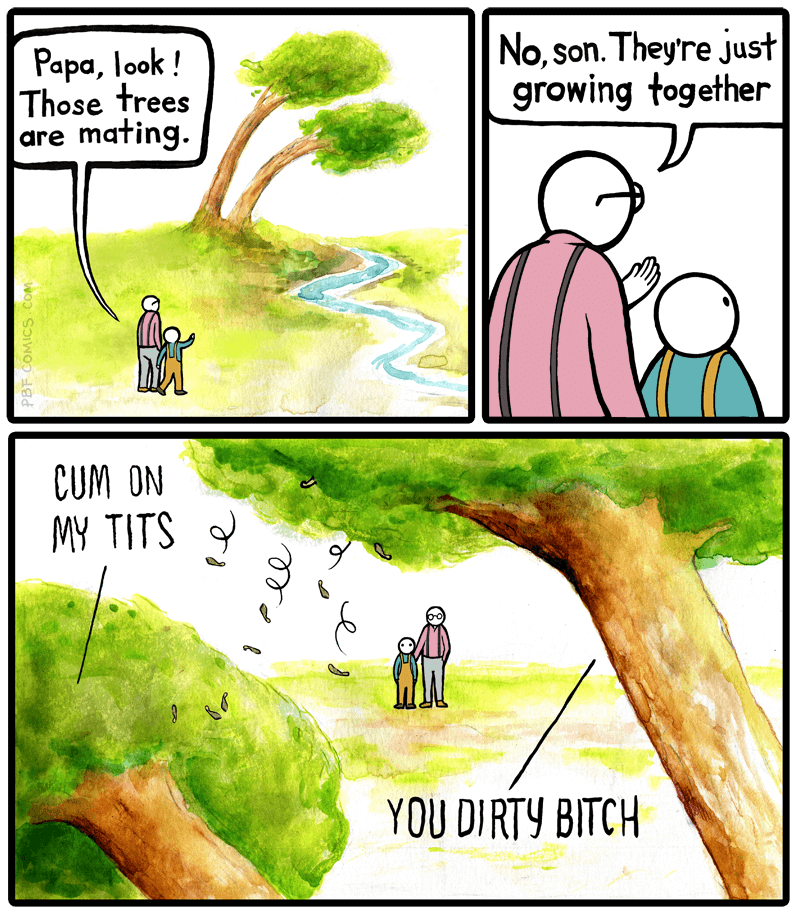
The post Growing Together appeared first on The Perry Bible Fellowship.
I started cold calling after a student (a CT reader and commenter, who remembers this because I remind her of it [1]), many years ago, having sat silently throughout my senior-level class in political philosophy, explained why she wanted to attend Law School. “I’ve heard that in Law School they cold-call, so that all the […]
Tom Clancy’s Splinter Cell: Firewall is an eight part radio serial on BBC Radio 4 that starts today, Friday, 2nd December at 2.15pm, and will be on every Friday in that same slot. I’ve written episodes #3, #4, #7 and #8 and the highly accomplished Sebastian Baczkiewicz has written the other half of the series. But you can ... Read More
My Lords, I am grateful, as we all are, to the noble and right reverend Lord, Lord Harries, for initiating this debate and for drawing attention to the real danger of nuclear escalation. I am in profound disagreement with the Government’s policy on Ukraine—I have said it before in this House and I shall say … Continue reading Speech on “Ukraine: Tactical Nuclear Weapons”